
Attars
Buy Attars in Bulk
-

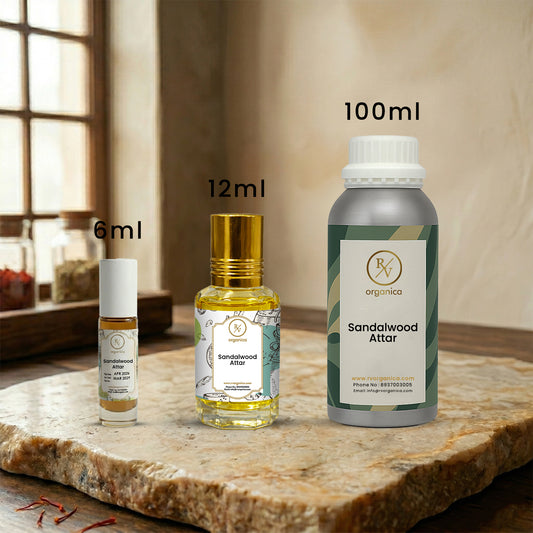 44% OFF
Sandalwood Attar – Creamy Chandan Woody Attar
Regular price From Rs. 499.00Regular priceUnit price perRs. 899.00Sale price From Rs. 499.00Sale -

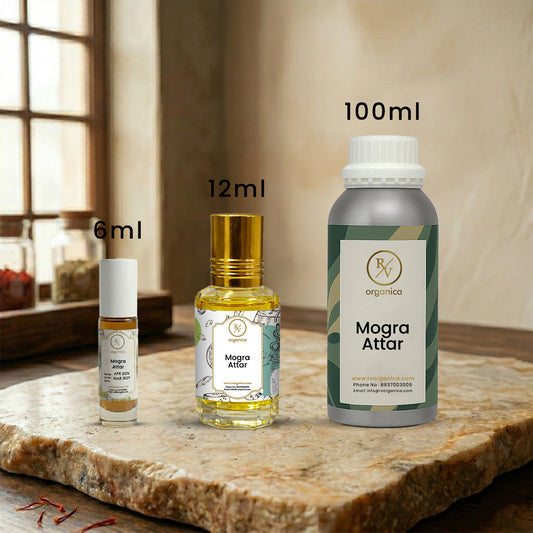 44% OFF
Mogra Attar – Pure Mogra Flower Attar
Regular price From Rs. 499.00Regular priceUnit price perRs. 899.00Sale price From Rs. 499.00Sale -

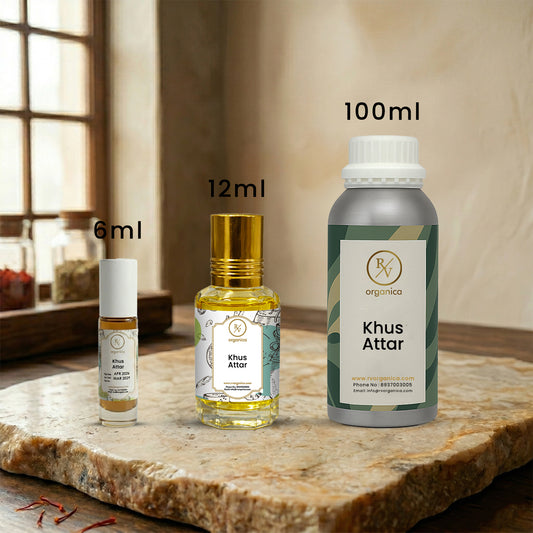 44% OFF
Khus Attar – Earthy Vetiver Deep Woody Attar
Regular price From Rs. 499.00Regular priceUnit price perRs. 899.00Sale price From Rs. 499.00Sale -

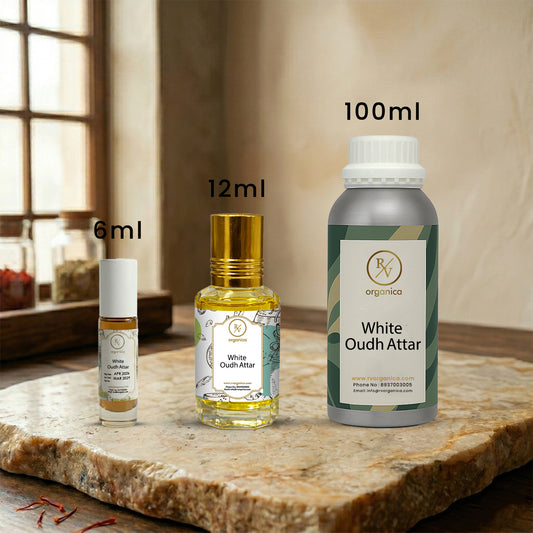 44% OFF
White Oudh Attar – Soft Oud & White Musk
Regular price From Rs. 499.00Regular priceUnit price perRs. 899.00Sale price From Rs. 499.00Sale -

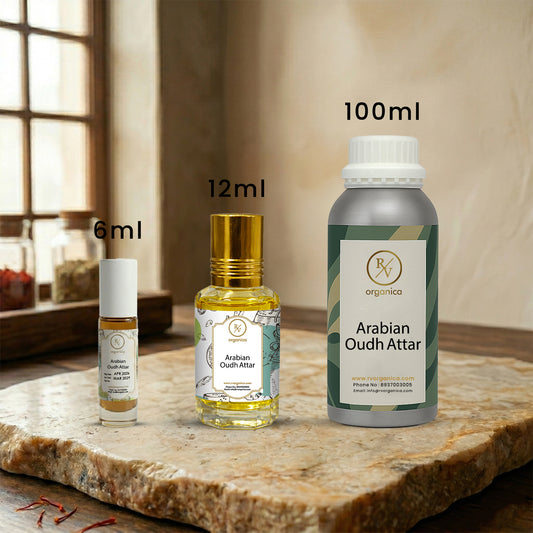 44% OFF
Arabian Oudh Attar – Deep Smoky Long Lasting Oud
Regular price From Rs. 499.00Regular priceUnit price perRs. 899.00Sale price From Rs. 499.00Sale -

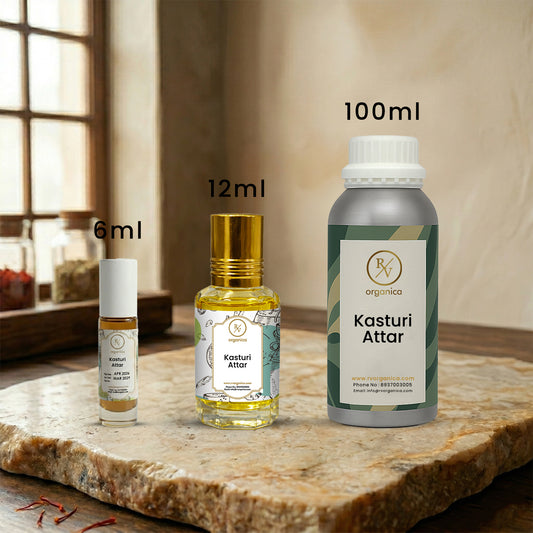 44% OFF
Kasturi Attar – Soft Natural Musk Attar
Regular price From Rs. 499.00Regular priceUnit price perRs. 899.00Sale price From Rs. 499.00Sale -

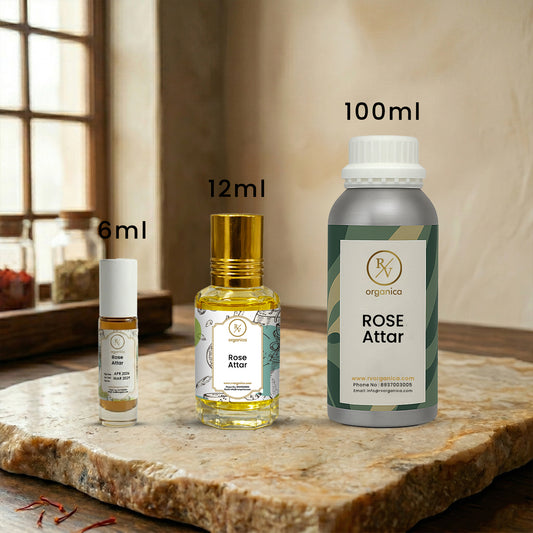 44% OFF
Rose Attar – Pure Natural Rose Attar
Regular price From Rs. 499.00Regular priceUnit price perRs. 899.00Sale price From Rs. 499.00Sale -

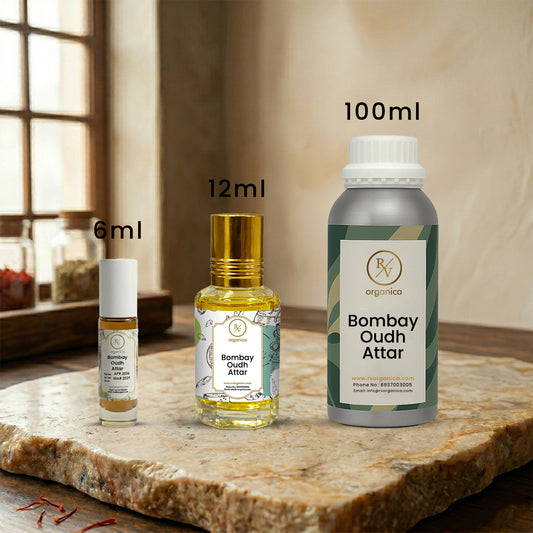 44% OFF
Bombay Oudh Attar – Bold & Intense Smoky Oud
Regular price From Rs. 499.00Regular priceUnit price perRs. 899.00Sale price From Rs. 499.00Sale -
 44% OFF
Jannat-ul-Firdaus Attar – Classic Indian Floral Musk
Regular price From Rs. 499.00Regular priceUnit price perRs. 899.00Sale price From Rs. 499.00Sale -

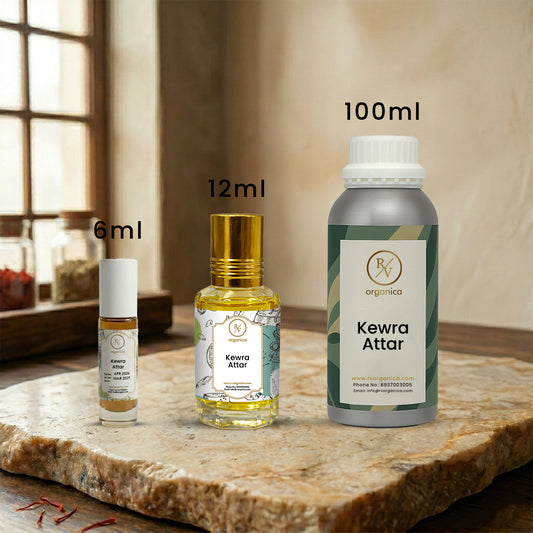 44% OFF
Kewra Attar – Fresh Kewra Flower Attar
Regular price From Rs. 499.00Regular priceUnit price perRs. 899.00Sale price From Rs. 499.00Sale -

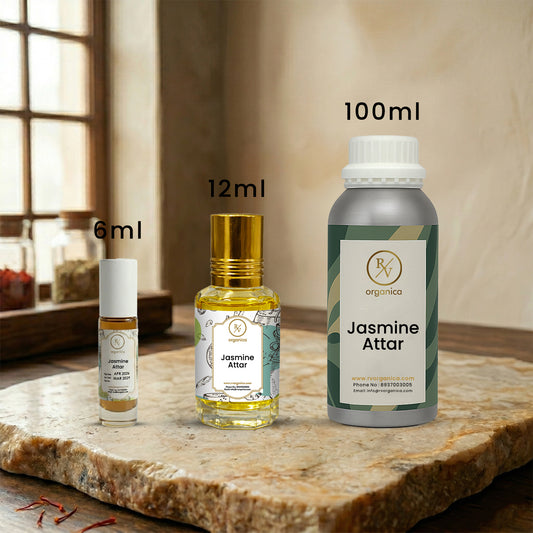 44% OFF
Jasmine Attar – Pure Jasmine Flower Attar
Regular price From Rs. 499.00Regular priceUnit price perRs. 899.00Sale price From Rs. 499.00Sale -

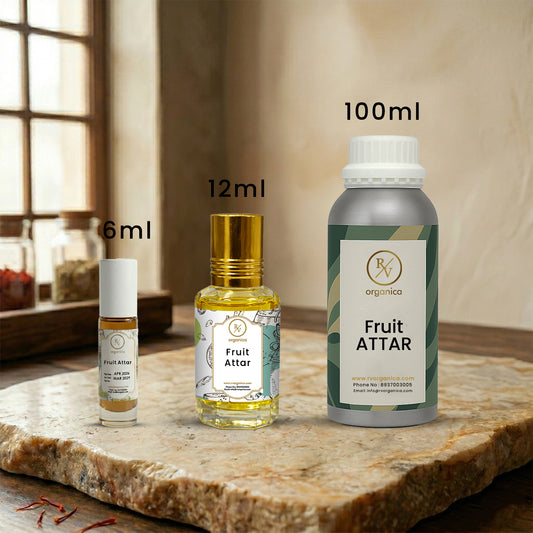 44% OFF
Fruit Attar – Fresh & Light Daily Wear Attar
Regular price From Rs. 499.00Regular priceUnit price perRs. 899.00Sale price From Rs. 499.00Sale -

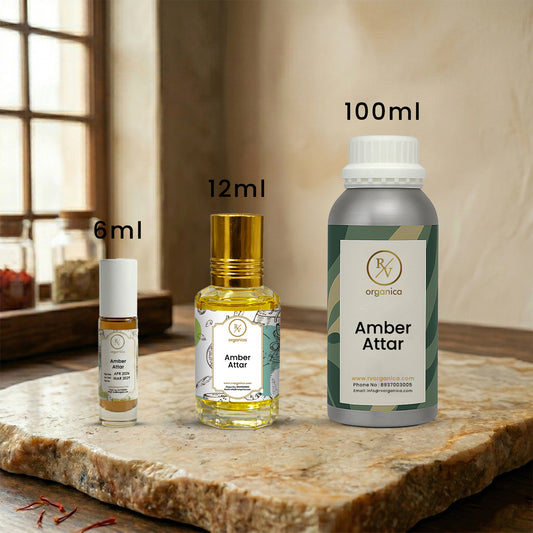 44% OFF
Amber Attar – Warm & Resinous Amber Attar
Regular price From Rs. 499.00Regular priceUnit price perRs. 899.00Sale price From Rs. 499.00Sale -

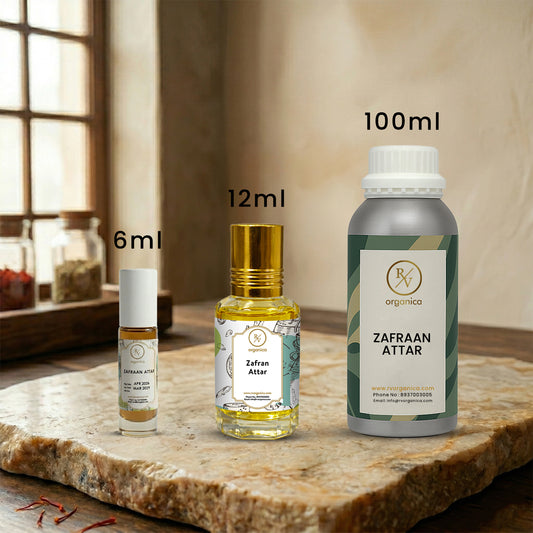 44% OFF
Zafran Attar – Luxurious Saffron Attar
Regular price From Rs. 499.00Regular priceUnit price perRs. 899.00Sale price From Rs. 499.00Sale -

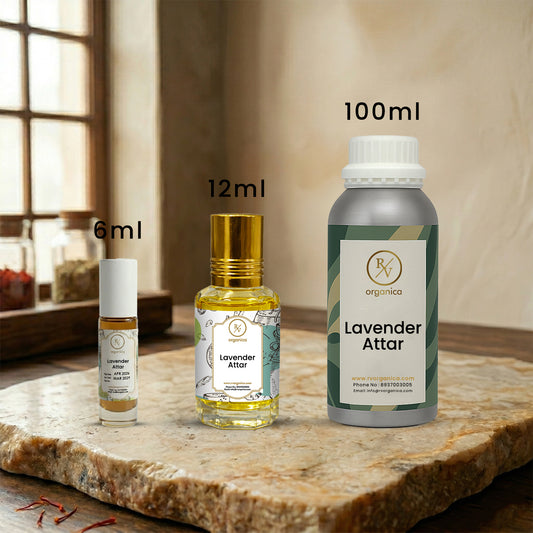 44% OFF
Lavender Attar – Calming & Fresh Herbal Attar
Regular price From Rs. 499.00Regular priceUnit price perRs. 899.00Sale price From Rs. 499.00Sale -

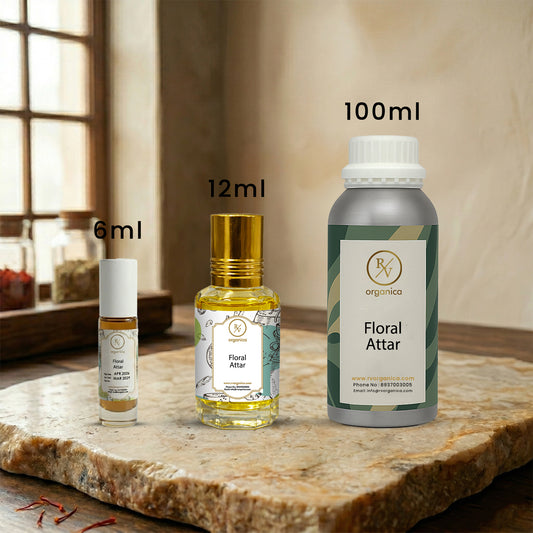 44% OFF
Floral Attar – Rose, Jasmine & Mogra Blend
Regular price From Rs. 499.00Regular priceUnit price perRs. 899.00Sale price From Rs. 499.00Sale -

 44% OFF
Cardamom Attar – Spiced & Woody Unisex Attar
Regular price From Rs. 499.00Regular priceUnit price perRs. 899.00Sale price From Rs. 499.00Sale -

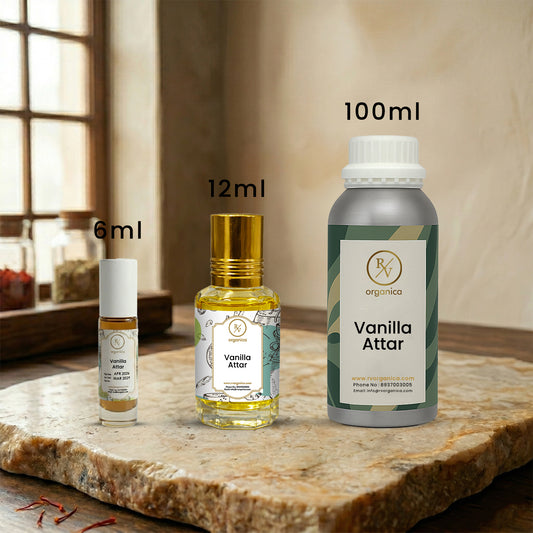 44% OFF
Vanilla Attar – Warm Sweet & Woody Attar
Regular price From Rs. 499.00Regular priceUnit price perRs. 899.00Sale price From Rs. 499.00Sale


About Attars

Attars: Natural Oil-Based Perfumes | Buy Attar Online India
Quick answer: Attar is an alcohol-free, oil-based perfume traditionally made by distilling flowers, spices, or woods into a sandalwood oil base. It lasts longer on skin than most alcohol-based EDTs, needs only one or two dabs on pulse points, and suits buyers who prefer alcohol-free fragrance for personal or religious reasons. RV Organica's attar range covers floral, woody, oriental, and fresh profiles, with prices starting at Rs 499.
Most people reaching this category already know what they're looking for: a fragrance that isn't built on alcohol. Attar - also spelled ittar or itra - is a concentrated perfume oil traditionally distilled from flowers, spices, and botanicals into a base carrier, typically without any synthetic solvents or ethanol. For buyers in India who wear fragrance daily, for those who prefer alcohol-free options for personal or religious reasons, and for anyone who's found that regular EDT fades within a couple of hours, attar is a genuinely different category - not just a substitute.
RV Organica's attar collection currently includes 13 fragrances across floral, woody, oriental, and fresh profiles, starting at Rs 499.
What Is Attar and How Does It Differ from Regular Perfume?
An attar isn't simply perfume oil. Traditionally, it's made by distilling botanical material - flowers, roots, resins, or barks - over sandalwood oil using a still (deg) and receiving vessel (bhapka). The fragrance transfers into the sandalwood base during distillation, and the resulting oil is then aged, sometimes for months. That aging step is what develops the depth that distinguishes a properly made attar from a simple fragrance oil blend.
The practical difference from an alcohol-based perfume comes down to how each type behaves on skin. Alcohol perfumes release scent immediately and project well - but the carrier evaporates quickly, taking much of the fragrance with it. Attar's oil base means it slowly warmer with your skin temperature, releasing fragrance over 6-10 hours rather than burning off in 2-3. The projection is closer, more personal.
Worth being direct about one thing: the term "natural attar" doesn't have a regulated definition in India. A product can legally call itself natural attar while containing synthetic fragrance materials in a carrier oil. What tells you something real is sourcing transparency - what botanicals were used, what the carrier base is, and whether the supplier will confirm this in writing.
What Are the Types of Attar in India, Warm vs Cool?
Attars in traditional Indian perfumery are classified not just by scent family but by their perceived thermal effect - warm attars believed to be suited to cooler months, cool attars to the heat of summer. The classification comes from Unani medicine traditions and is still practically relevant to fragrance choice in India's extreme seasonal climate.
Cool attars - rose, mogra, jasmine, kewra, khus/vetiver, lavender - are light, fresh, and floral. In May in Delhi or Chennai, a heavy oriental attar feels suffocating. These are what most people reach for between March and September.
Warm attars - amber, kasturi, zafran (saffron), bombay oudh, vanilla - are rich, deep, and oriental in character. In winter, when skin is drier and cool air mutes lighter fragrances, these carry better and feel appropriate to the season.
How Do You Apply Attar Correctly?
Attar is more concentrated than alcohol perfume - typically 15-30% fragrance load versus 5-15% in an EDT - so the quantity needed is smaller than most first-time buyers expect. Two to three drops, applied to pulse points (inner wrists, behind the ears, the base of the throat), is usually enough. Applying to clean, slightly moisturised skin extends longevity. The oil anchors to the skin's surface better when there's minimal competing residue.
What Should You Look for When Buying Attar Online in India?
The attar market online is genuinely mixed. Prices vary from Rs 150 to Rs 5,000+ for the same named fragrance, and price alone tells you almost nothing about quality. The carrier base matters - traditional attars use sandalwood or another fixed oil; many lower-cost products use DPG (dipropylene glycol), a synthetic, odourless carrier. Concentration matters more than volume. For business buyers sourcing attars to resell, ask for product documentation - ingredient list, carrier specification, and the supplier's quality process.
Which Attars Are in the RV Organica Collection?
Rose Attar - A classic floral, rich, warm, and more complex than synthetic rose fragrances. Mogra Attar - Captures the night-blooming quality of jasmine sambac. Jasmine Attar - Slightly greener and more transparent than mogra. Kewra Attar - Screwpine flower with a sweet floral and faintly watery top note. Khas (Vetiver) Attar - Earthy, green-smoky, a summer cooling attar. Lavender Attar - Softer and rounder than lavender essential oil, good for daily wear. Sandalwood Attar - Woody, warm, slightly creamy, universally wearable. Zafran (Saffron) Attar - Spicy and slightly animalic, rich and complex. Amber Attar - Resinous, warm, oriental. Kasturi Attar - Musky warmth, intimate and skin-close. Bombay Oudh Attar - Darker, smokier, balsamic Indian oud style. Vanilla Attar - Warm, sweet, works on almost everyone. Fruit Attar - Fresh, multi-fruit, most accessible for first-time attar buyers.
About RV Organica's Attars
RV Organica supplies attars in both individual and bulk quantities. Each attar is available from Rs 499 per unit. For business buyers, bulk ordering and order documentation are available on request.
- Choosing a selection results in a full page refresh.
- Opens in a new window.
